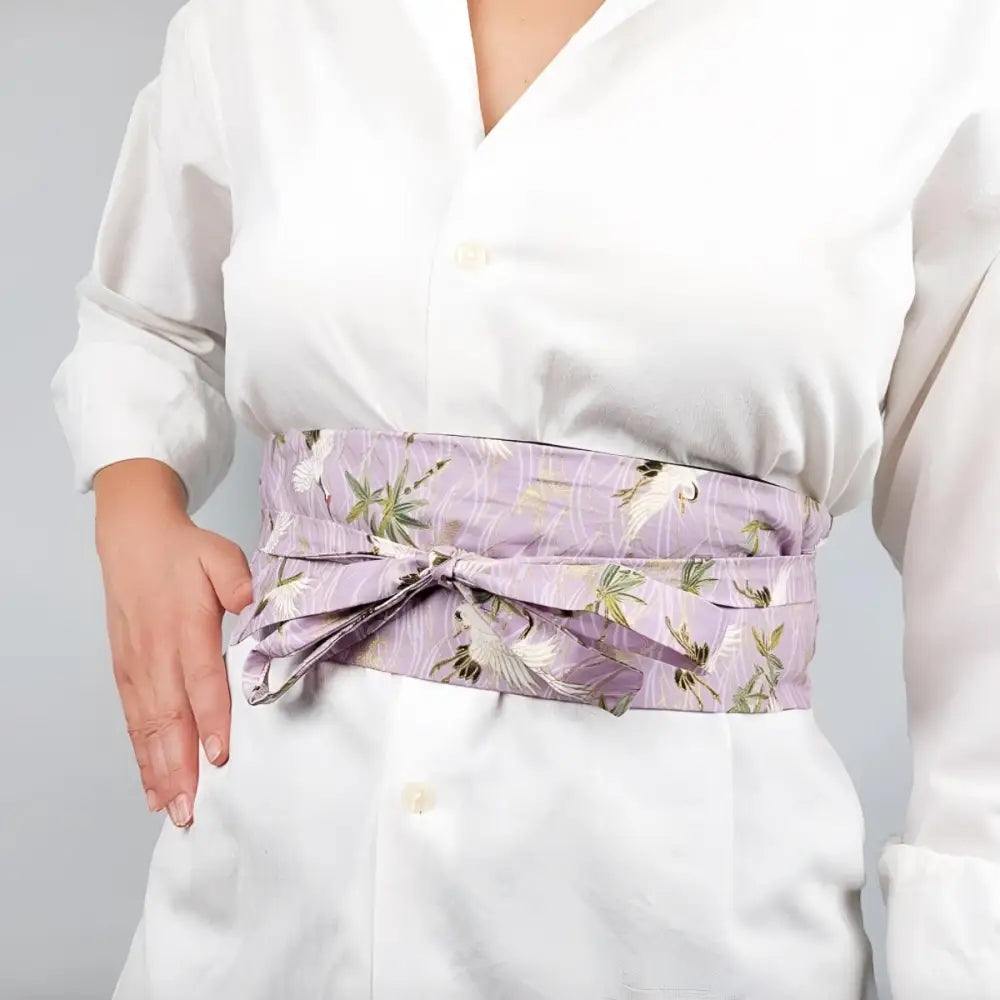
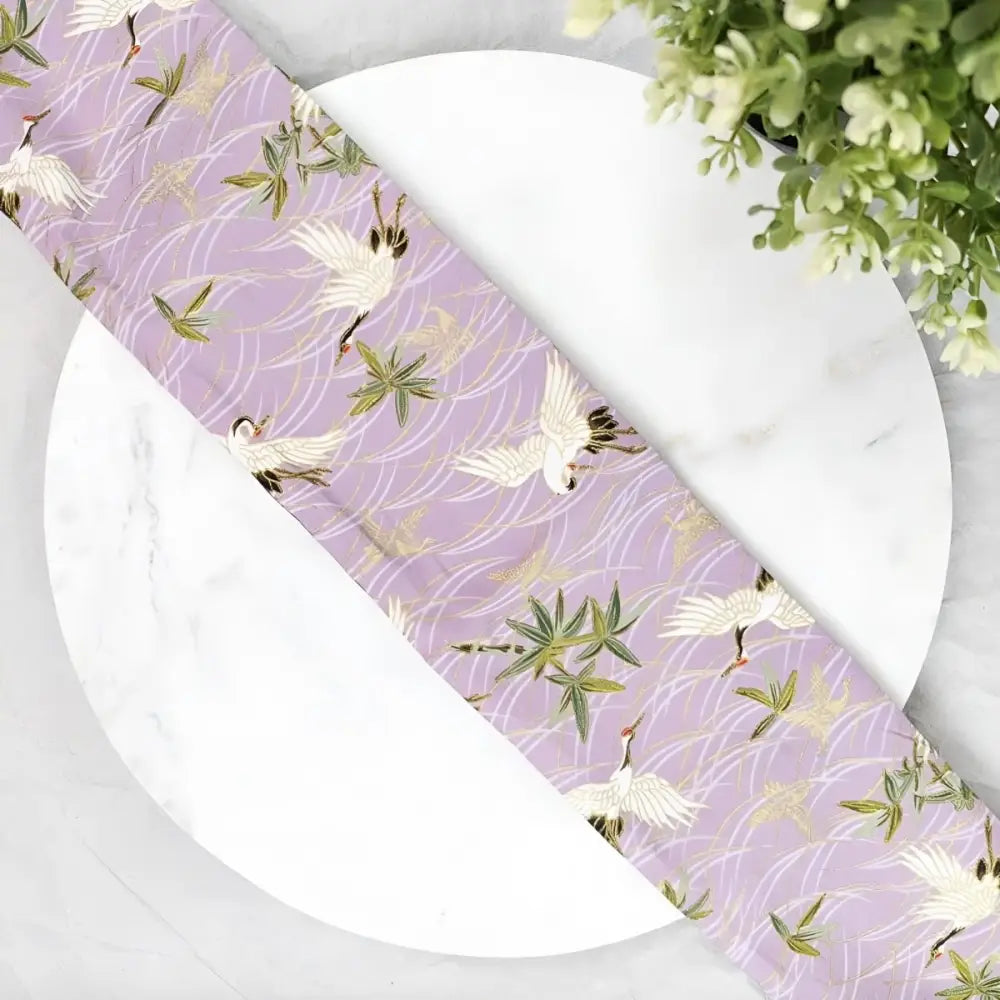
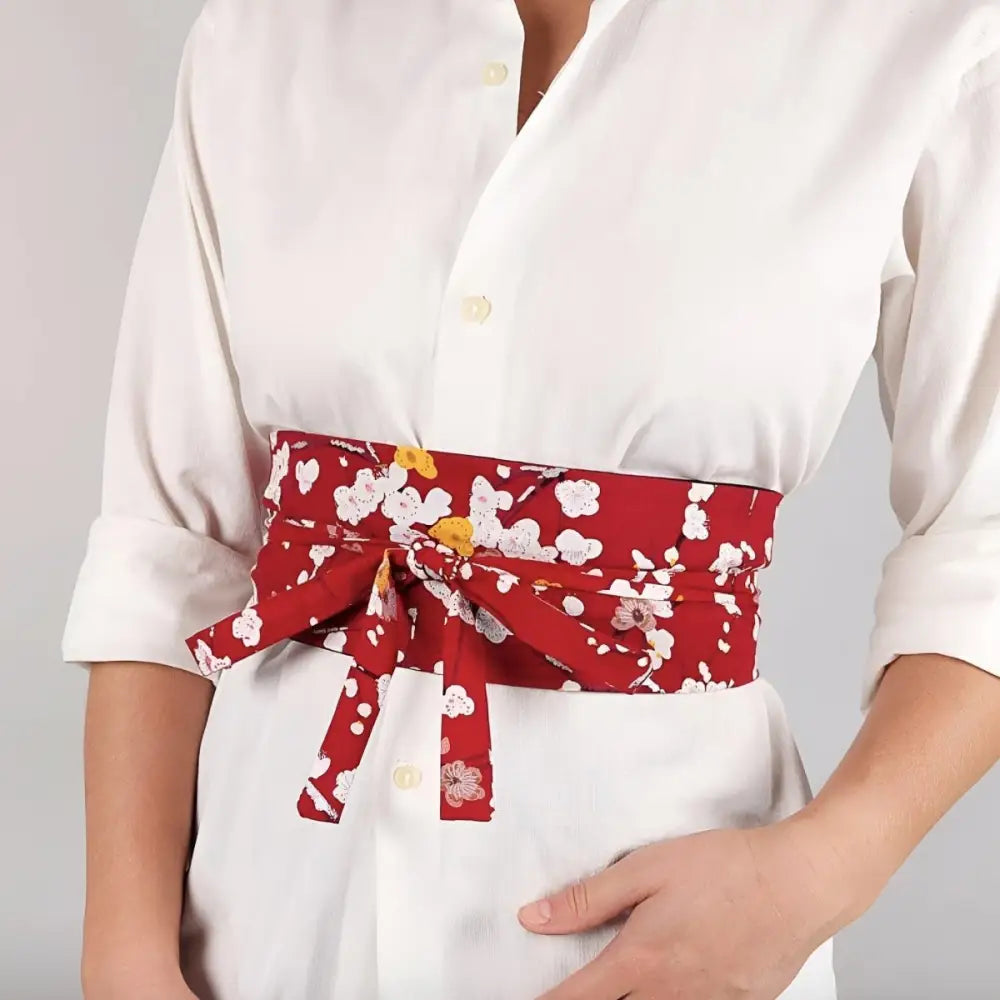
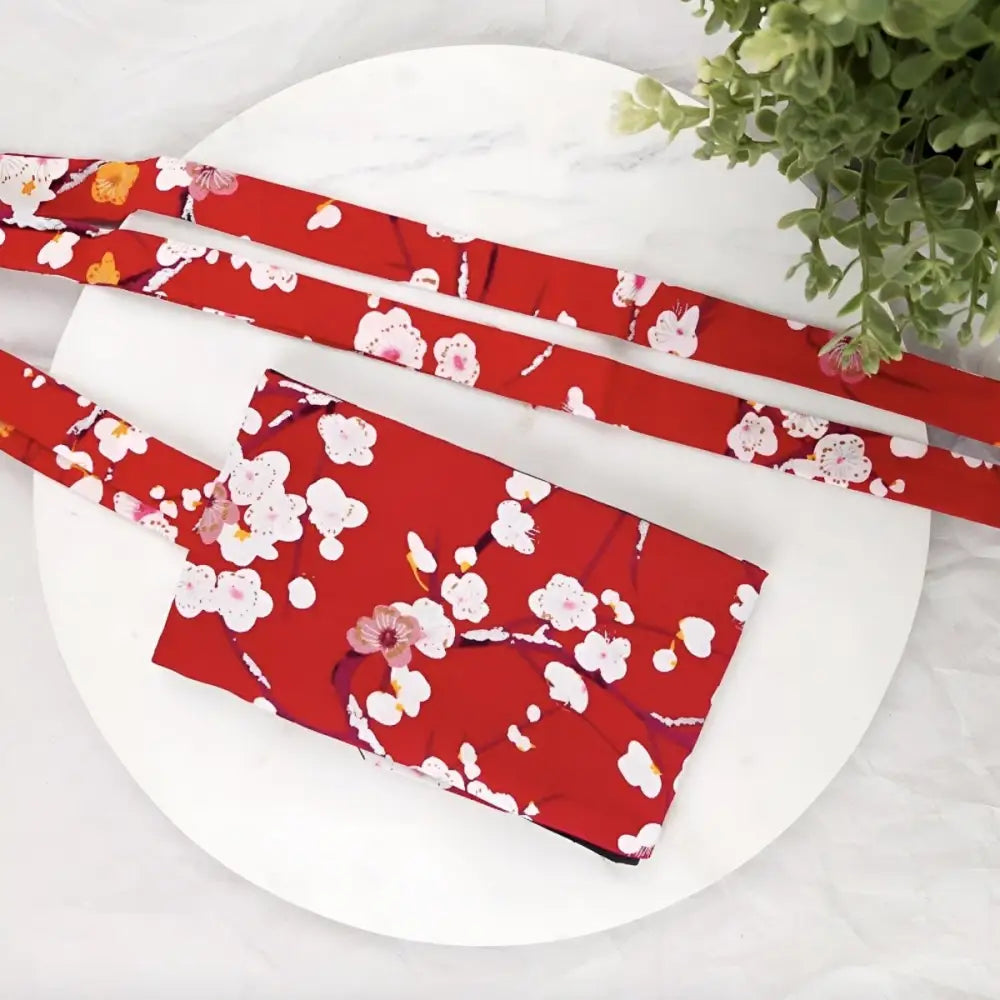
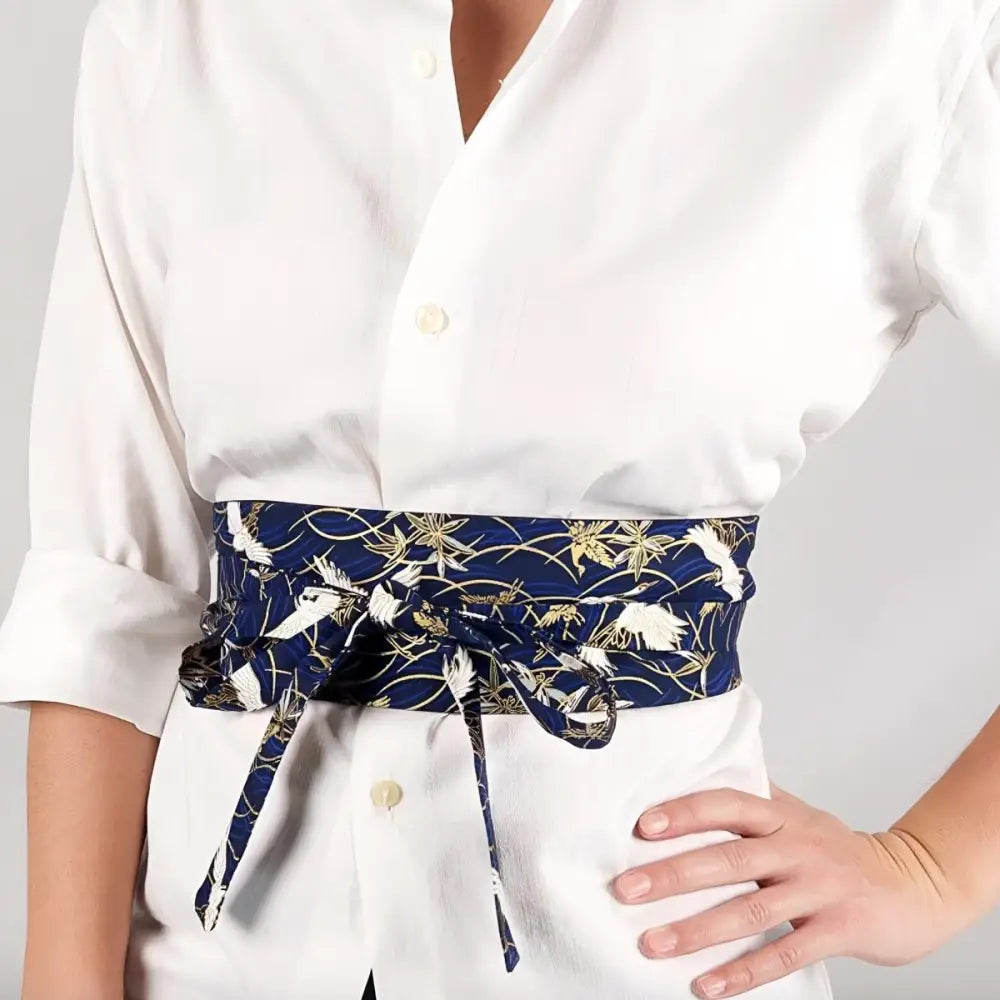
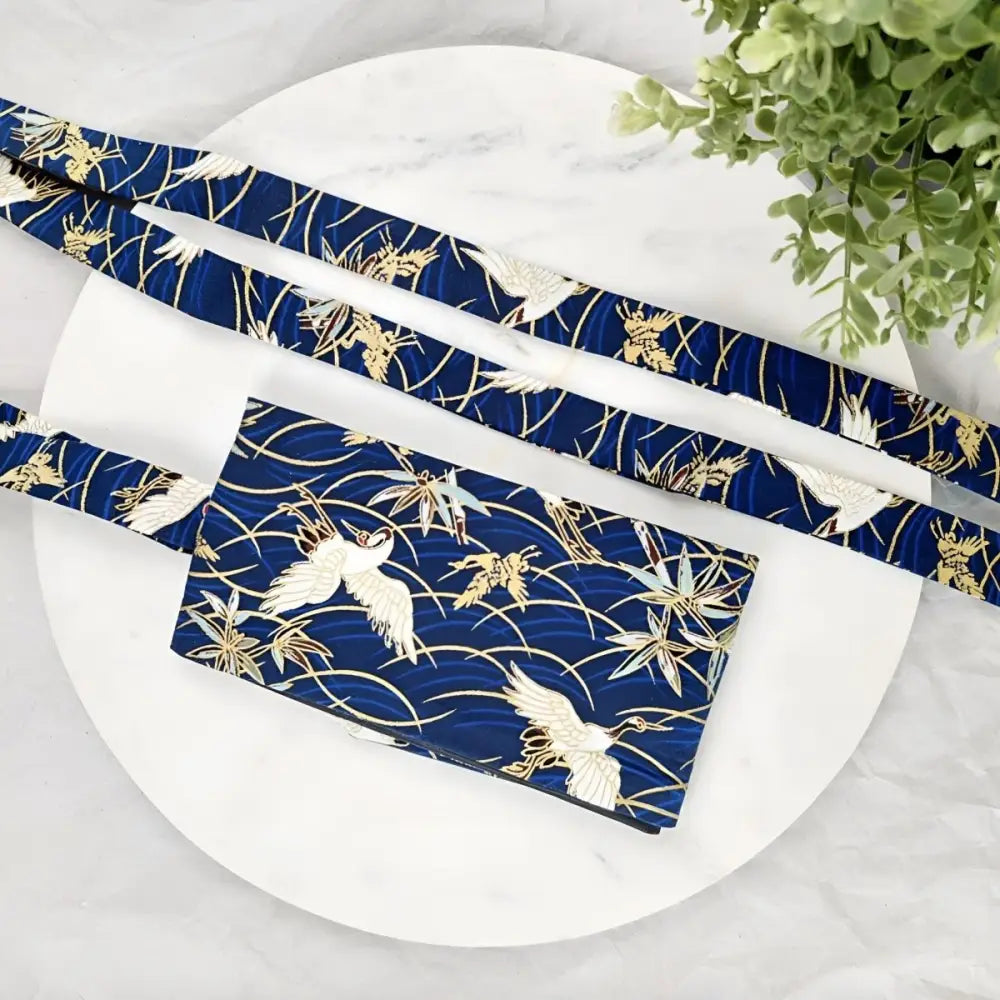
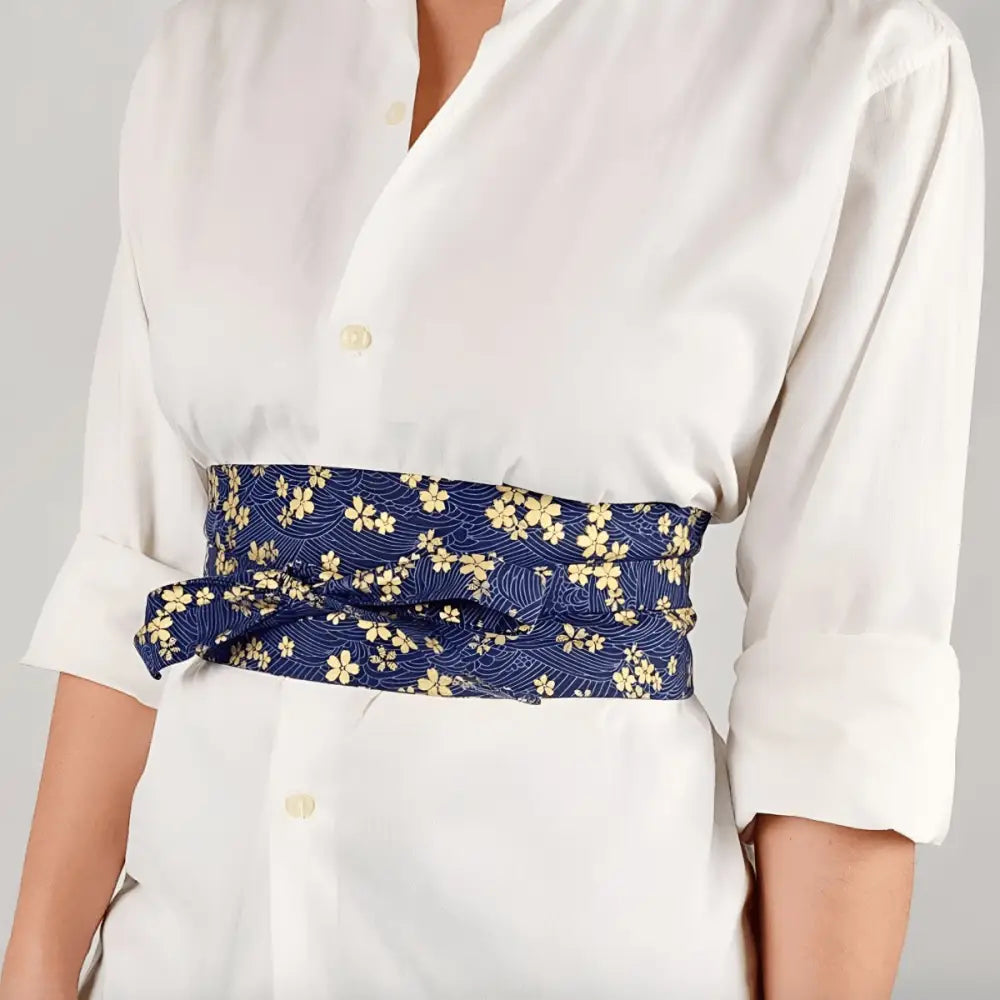
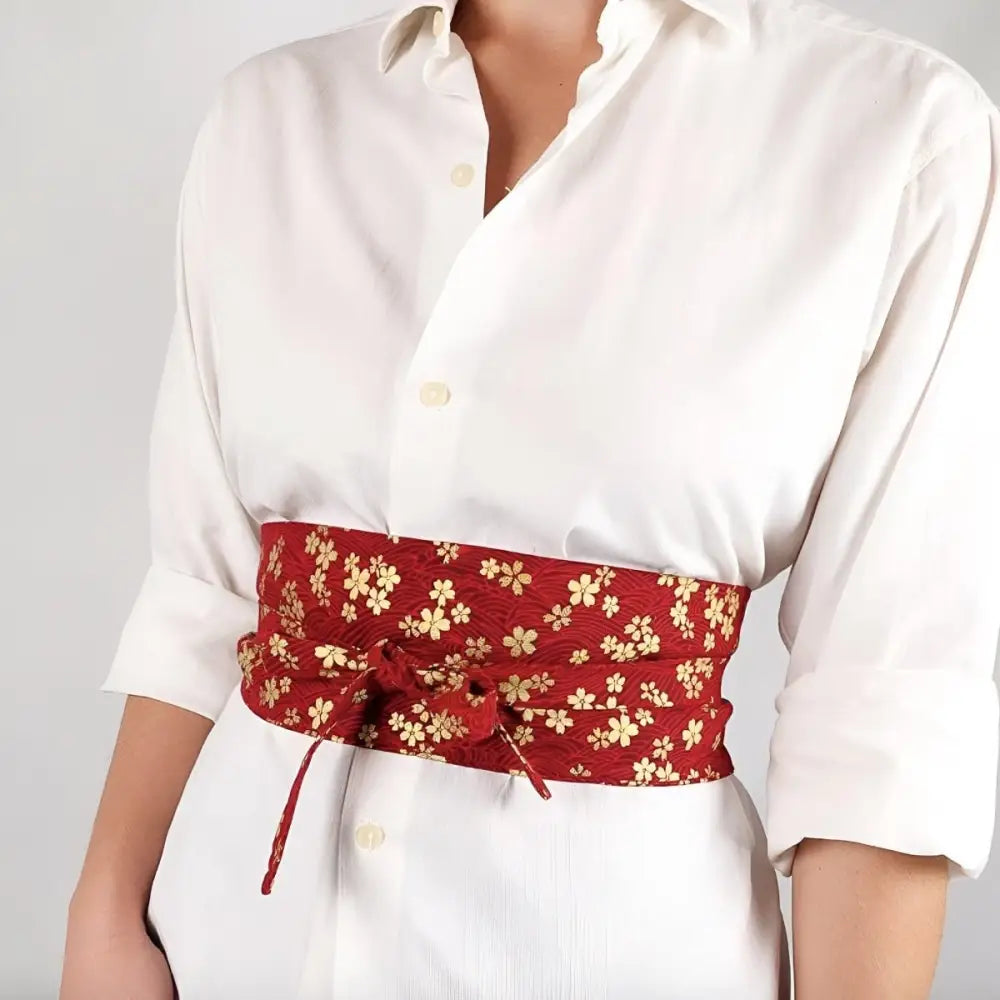
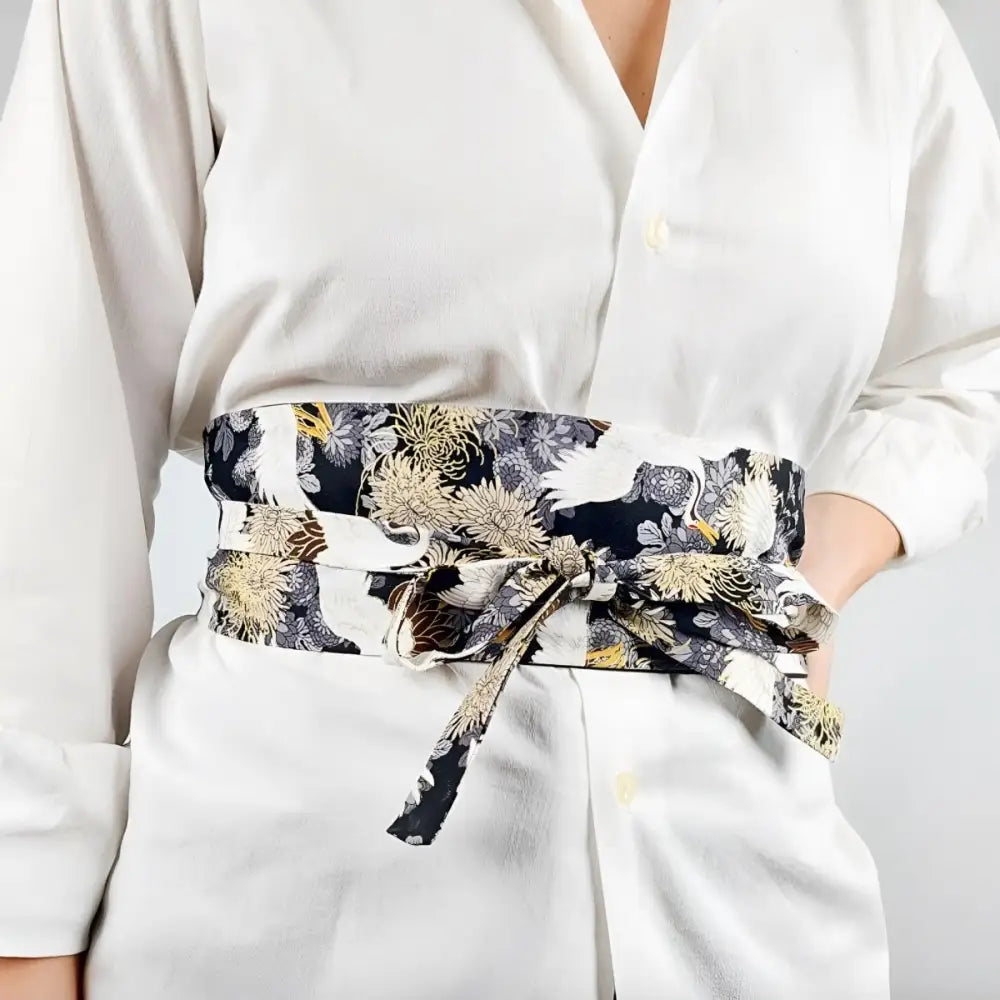
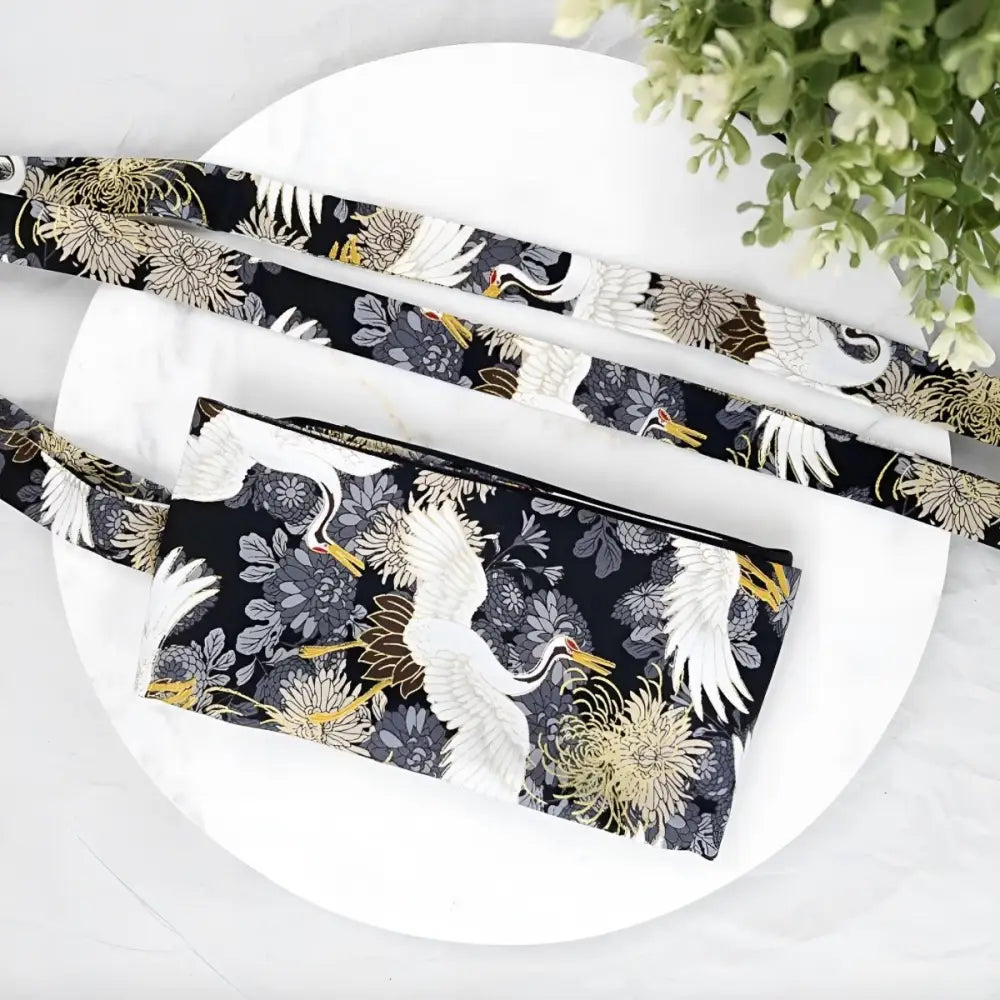
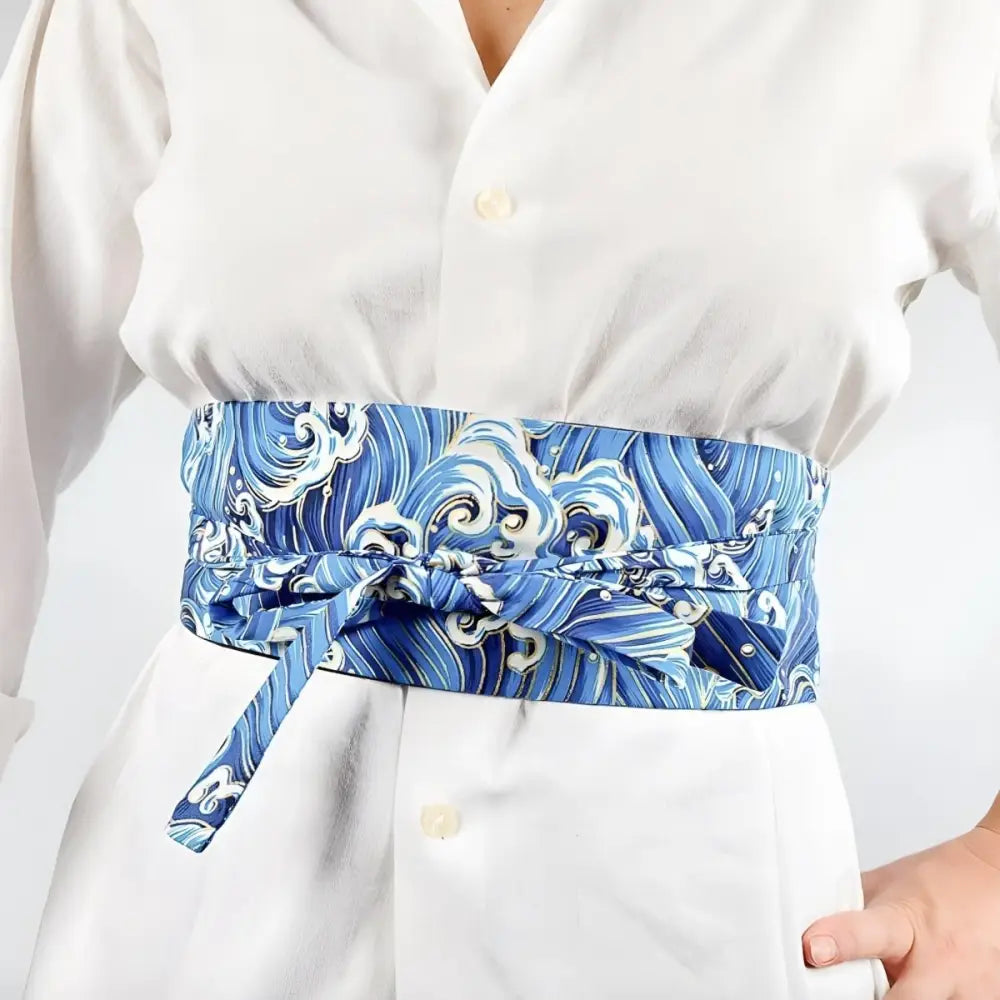
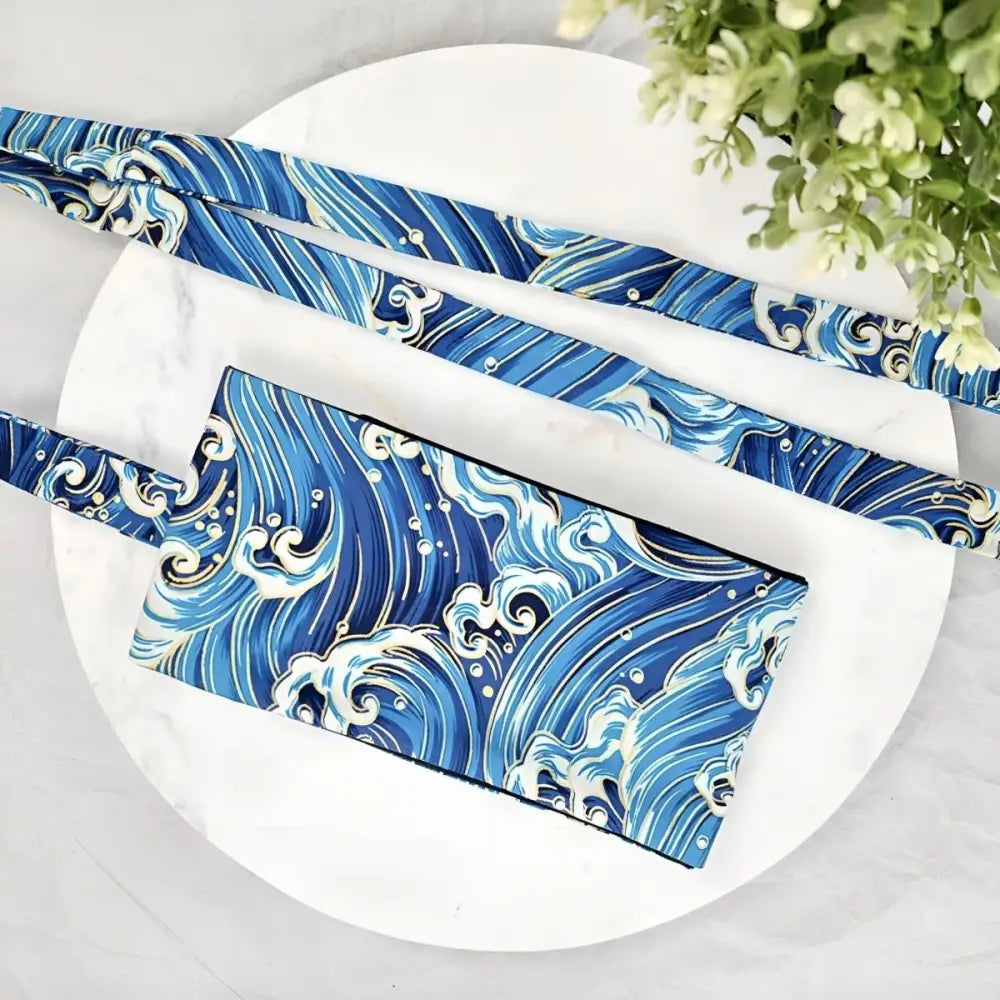
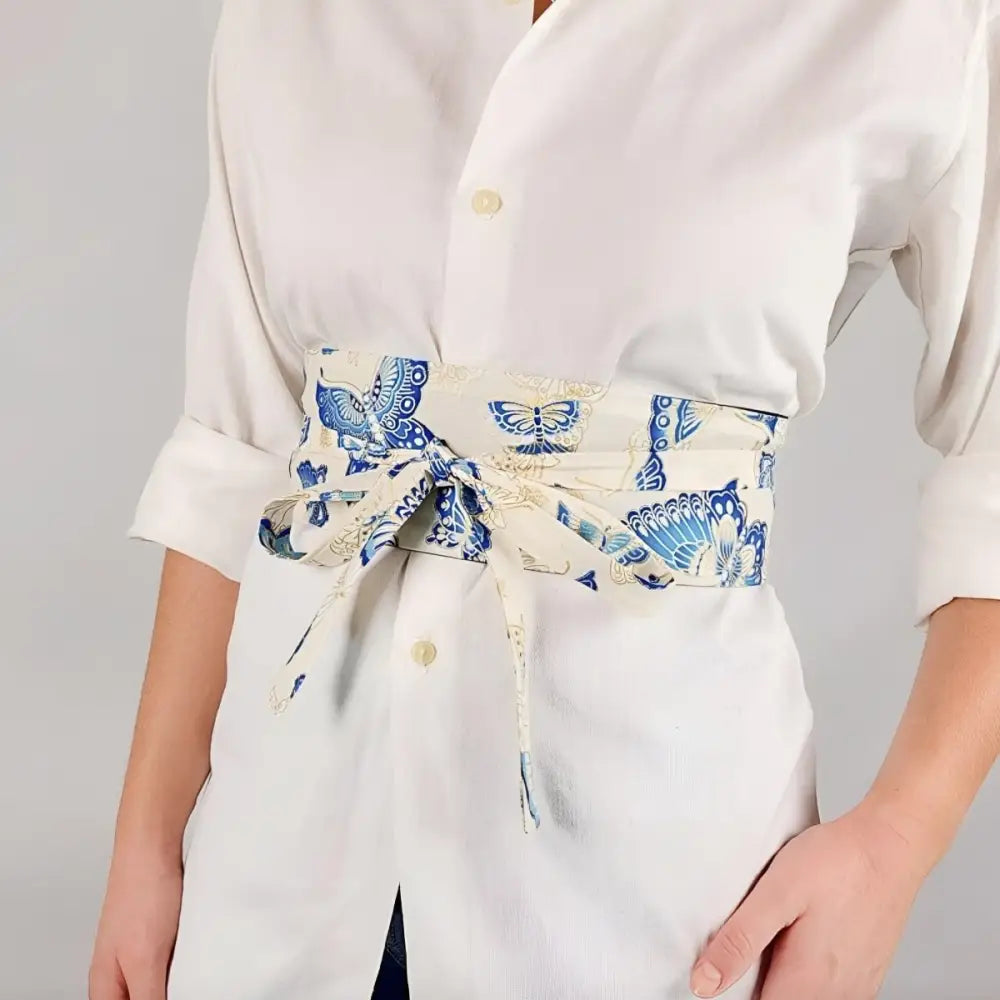
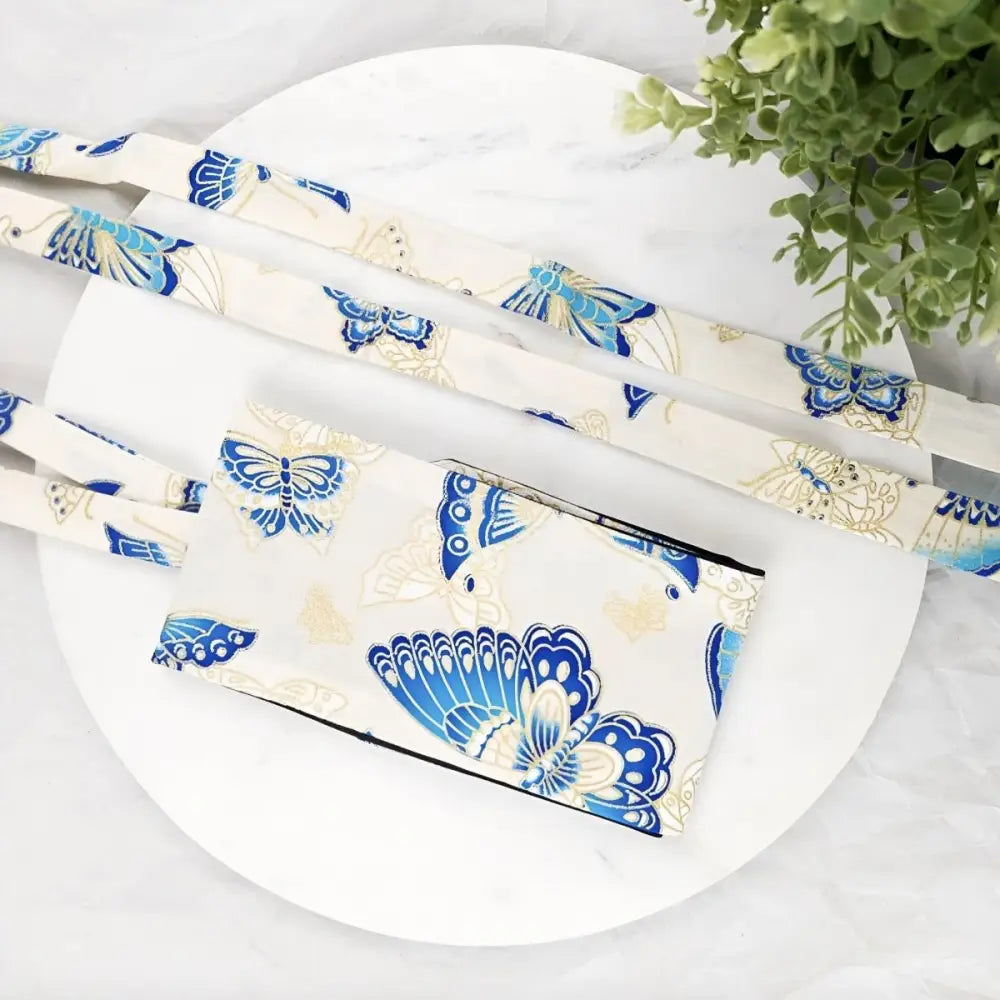
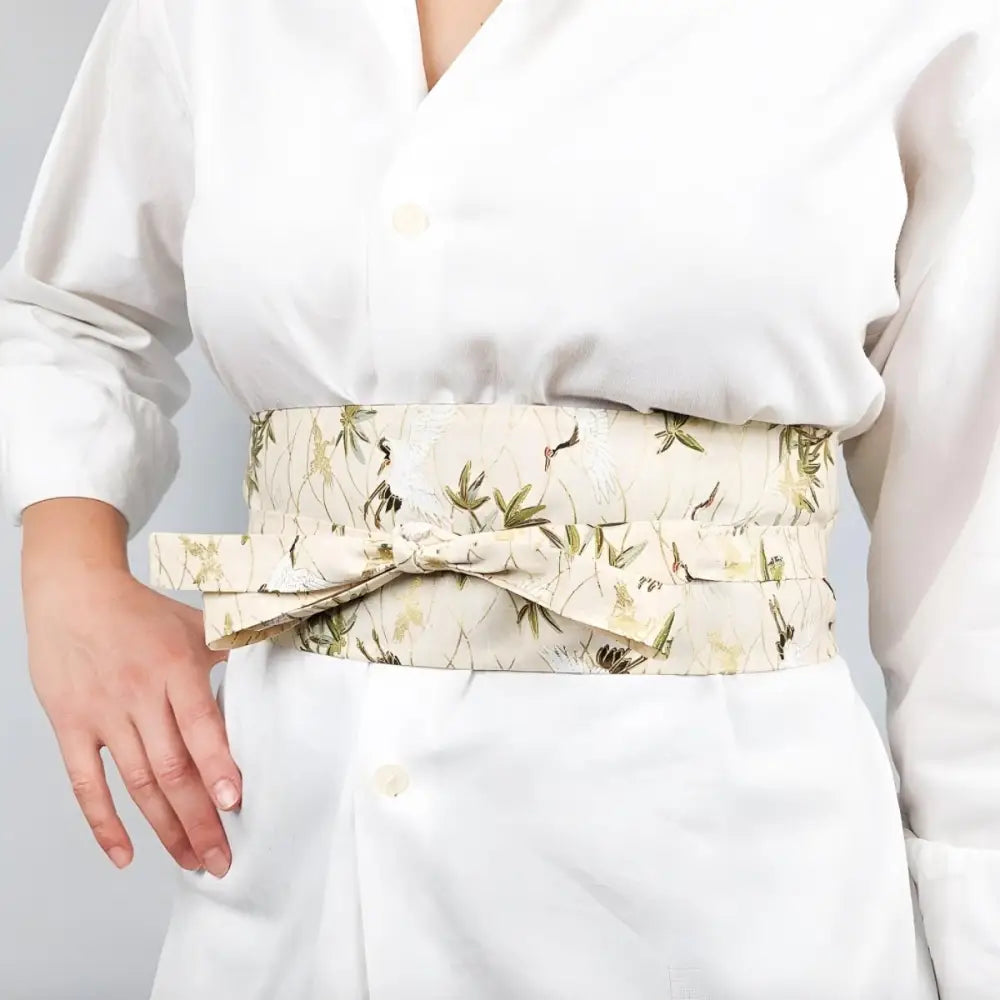
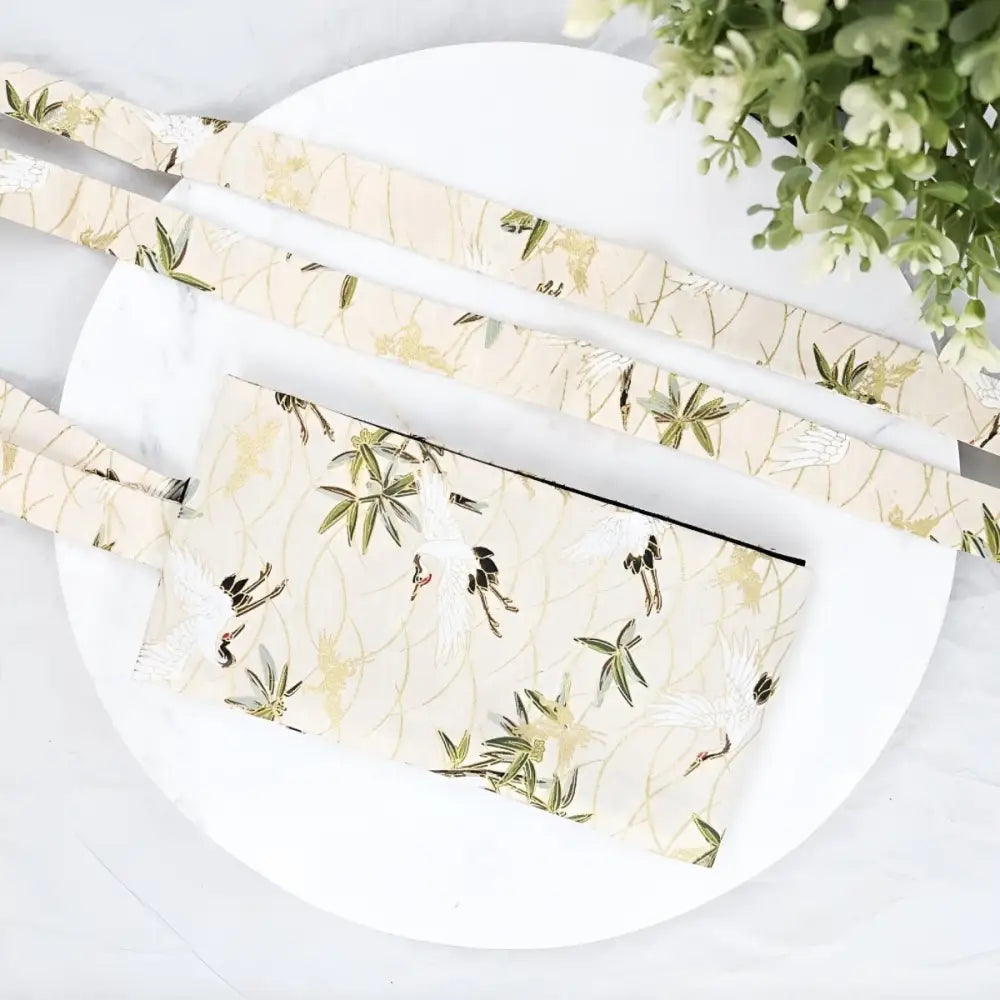
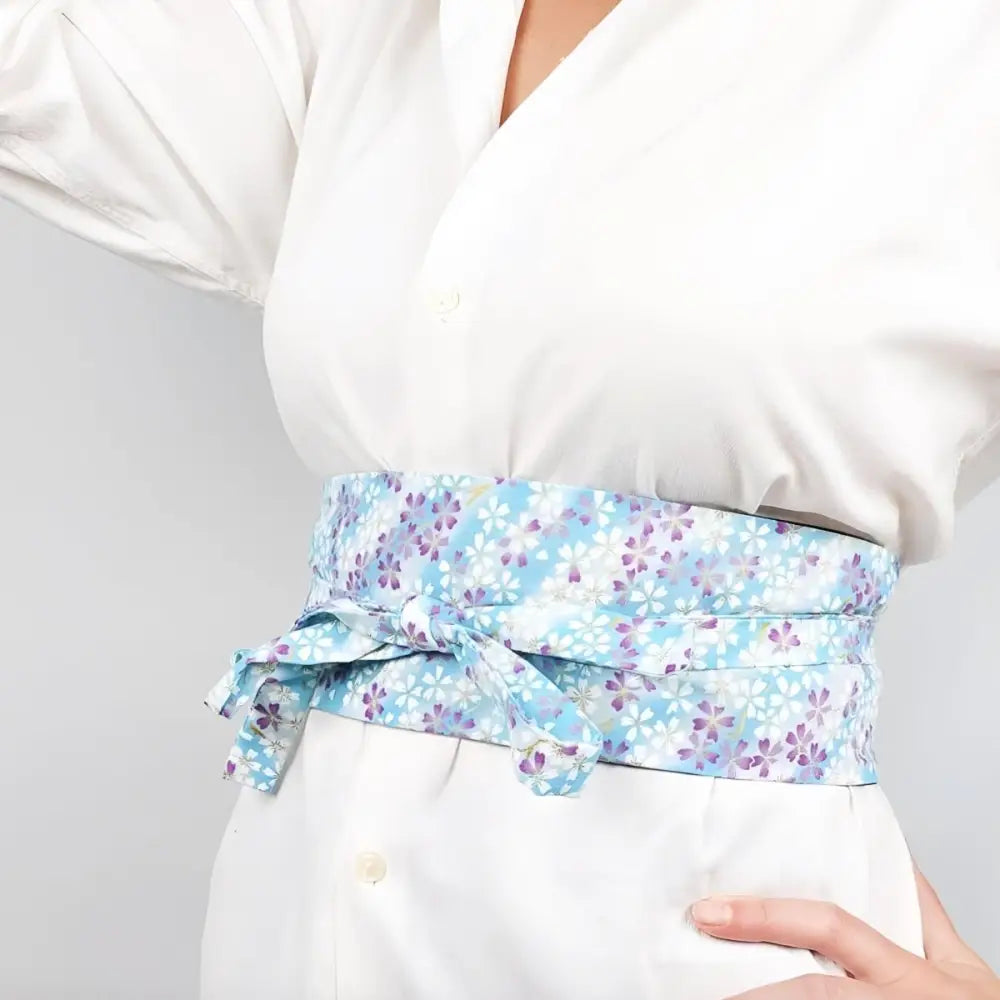
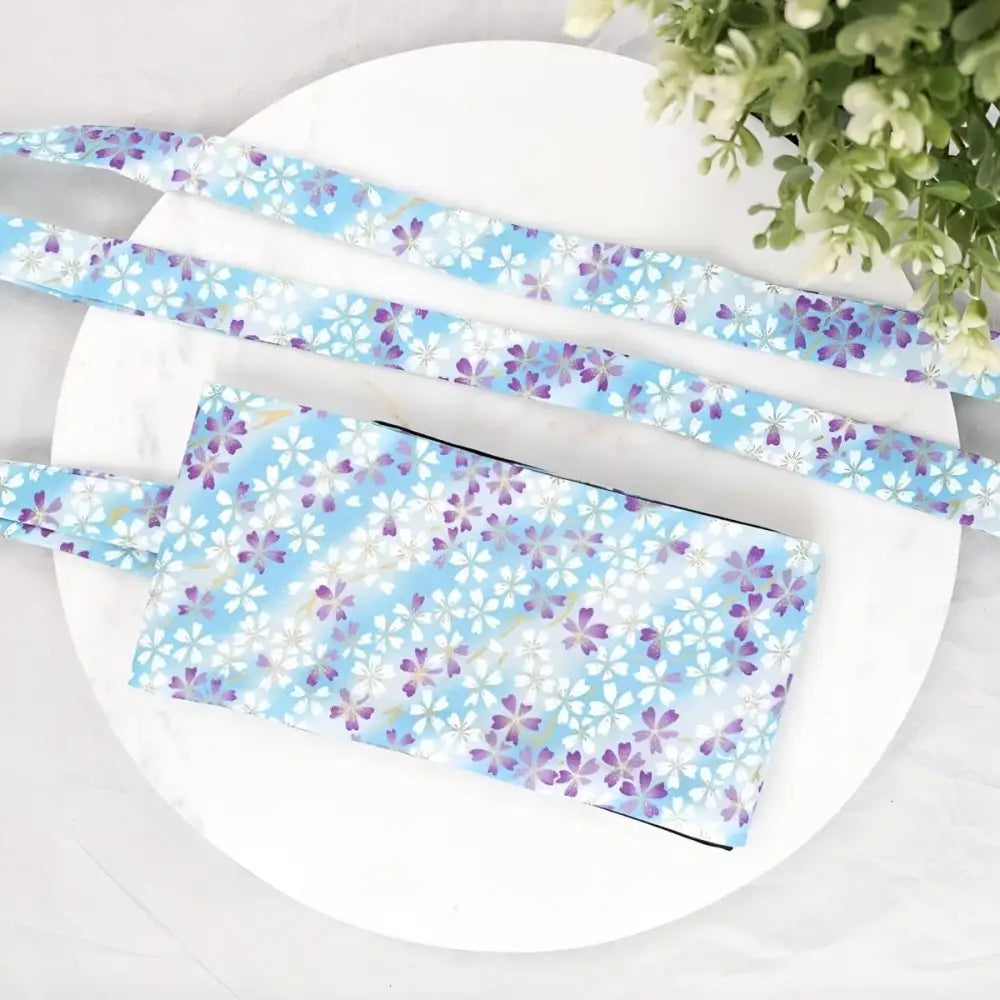
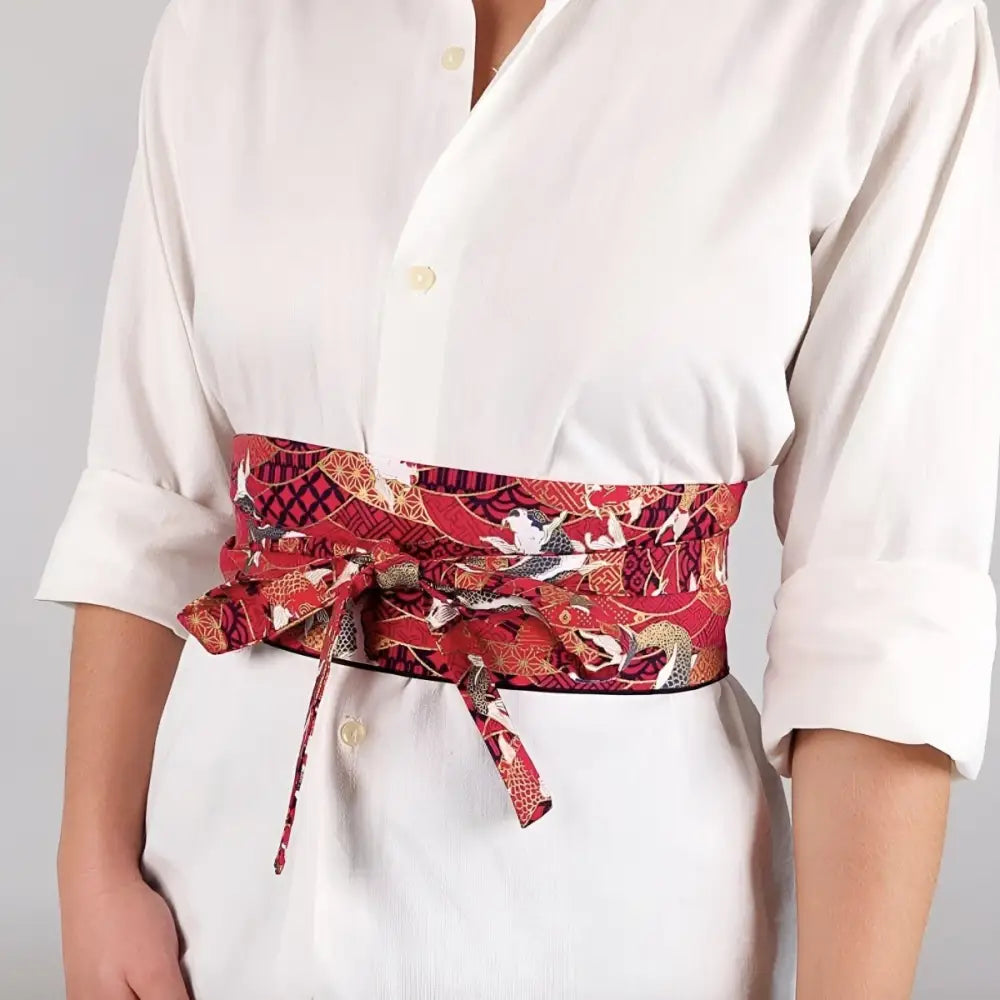
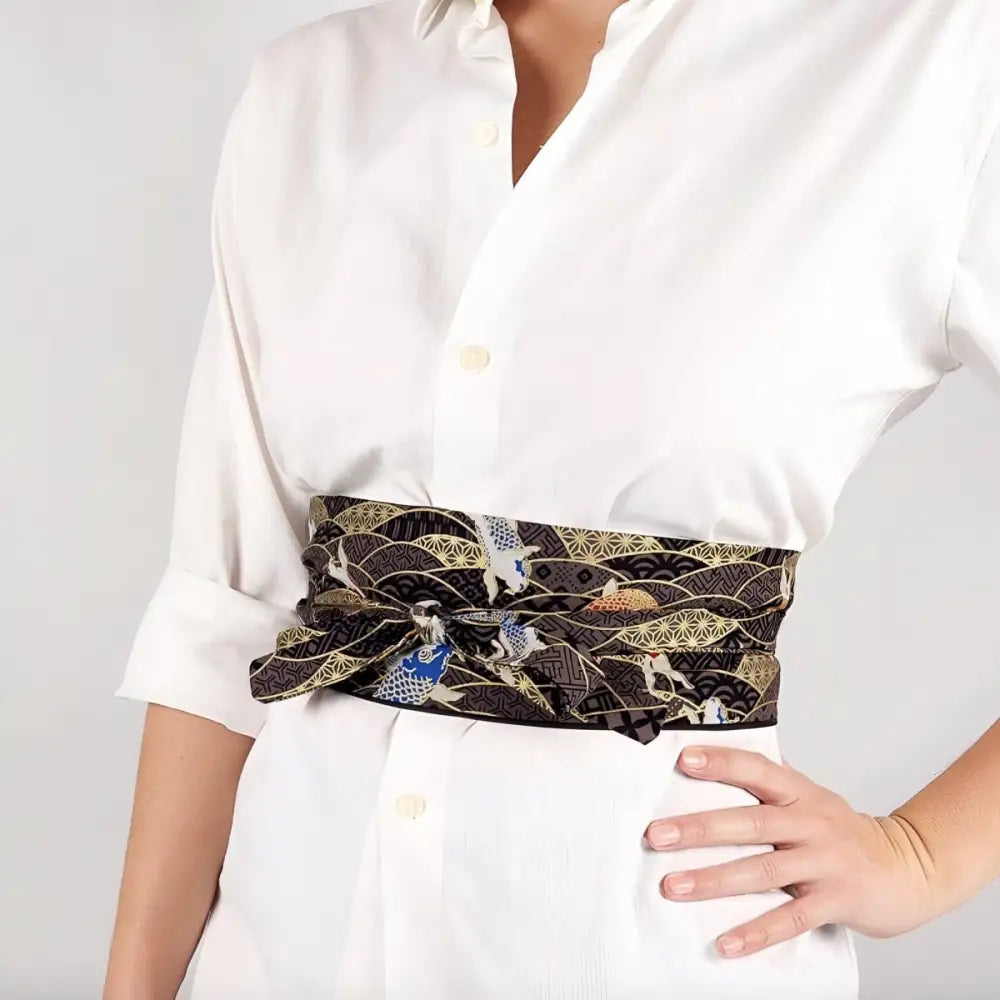
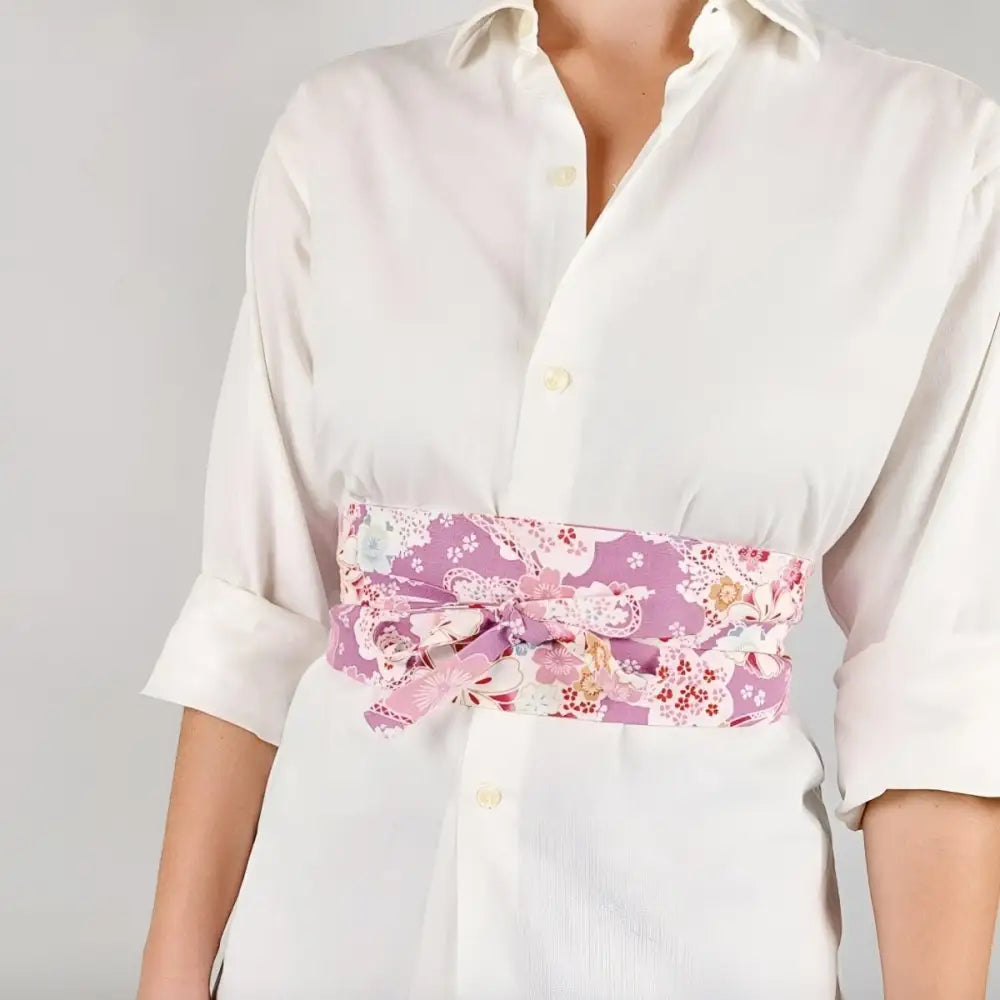
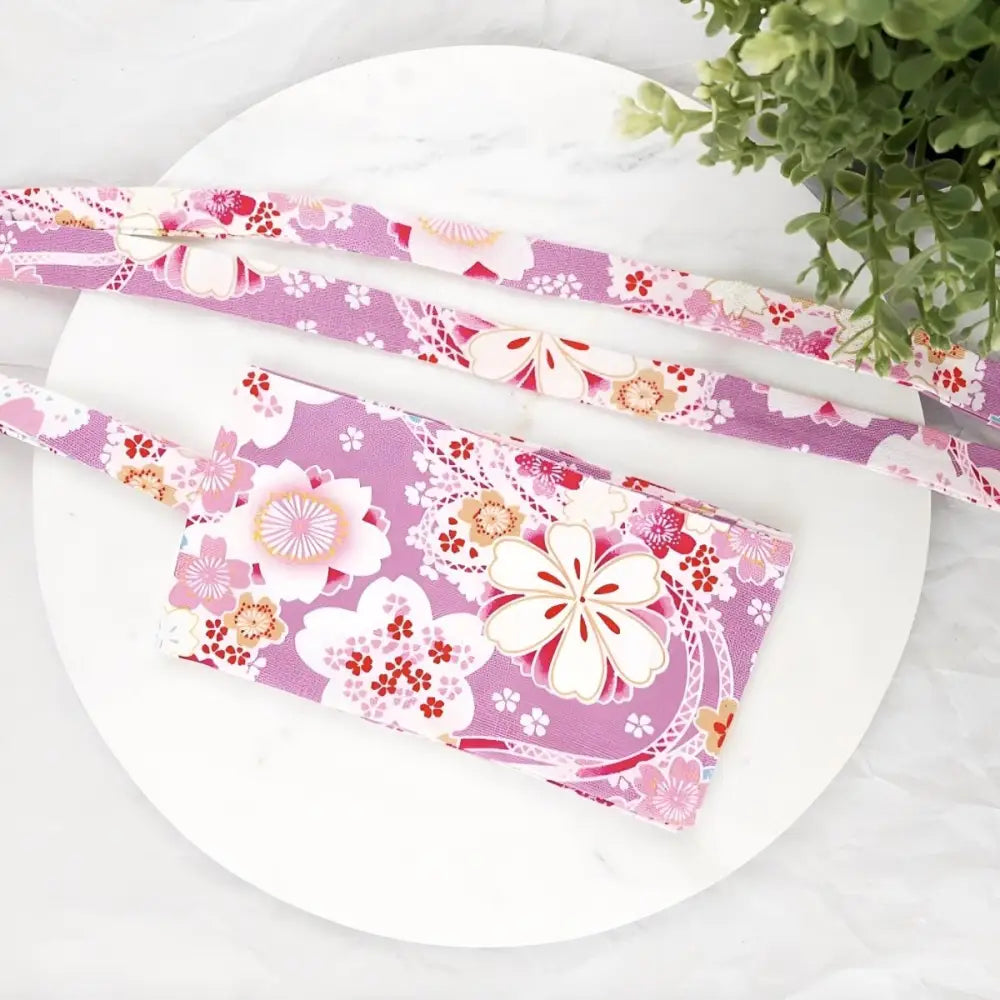
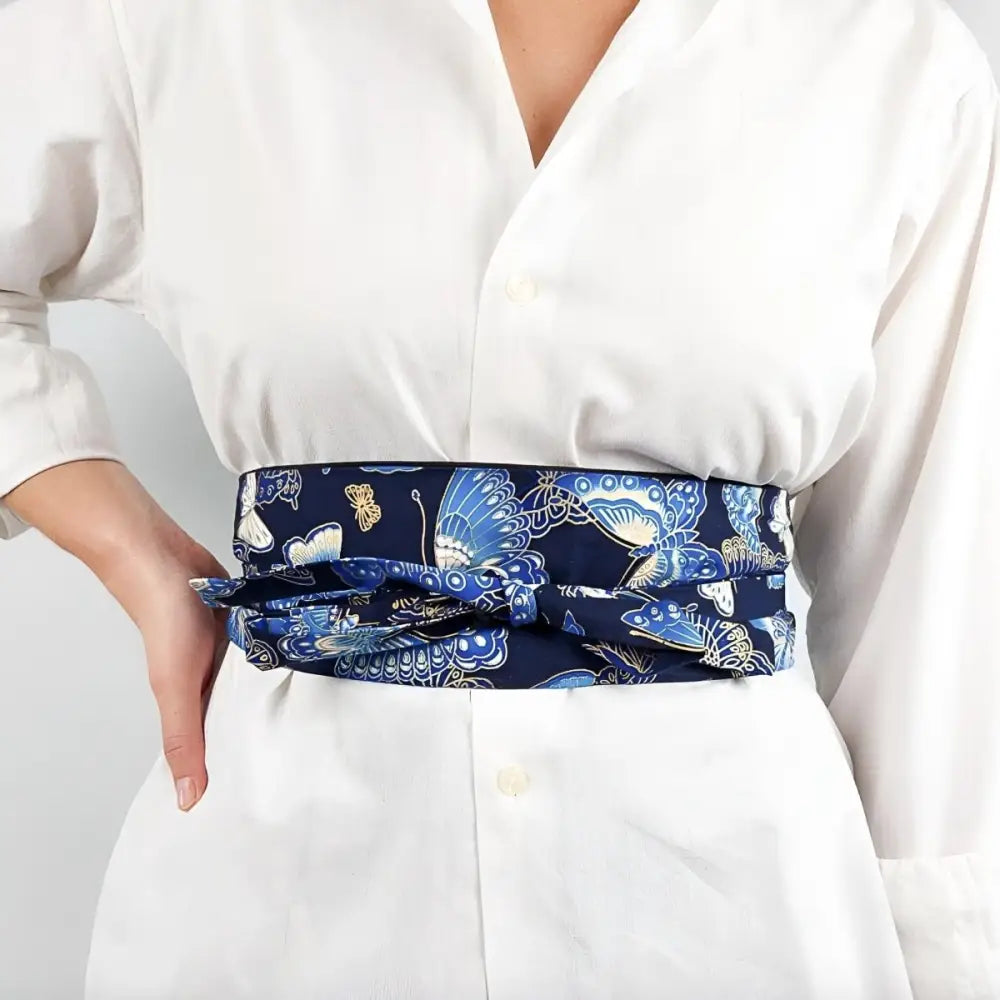
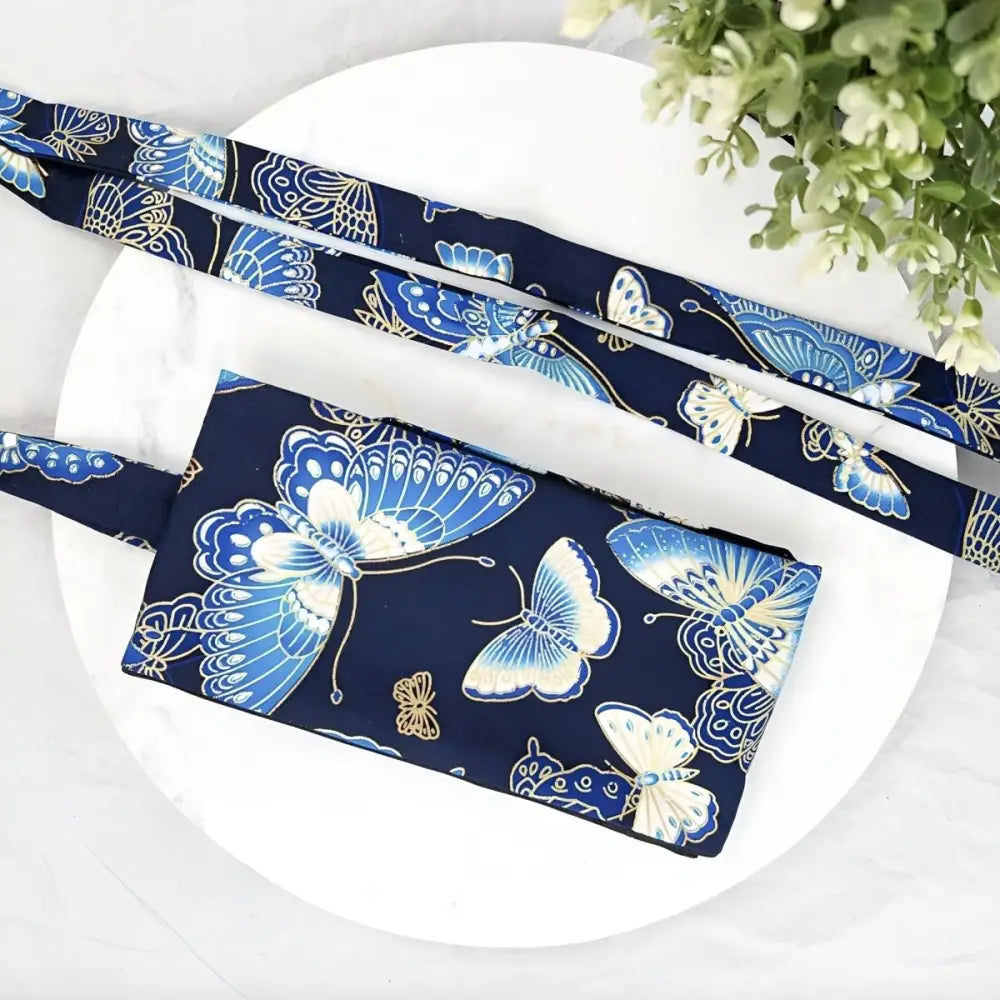
What is an obi belt and why it matters today ?
Understanding the origins of the japanese obi belt in japan helps explain why this waist belt continues to inspire people in everyday style.
The obi worn in traditional contexts was more than a simple band, it was a symbol with cultural significance, social meaning, and status expression that accompanied a kimono robe yukata or vintage japanese kimono shiny outfit.
Over time, this accessory evolved into a belt fashion piece that women and men could adapt to modern life while preserving the essence of the original design.
Today, the obi waist concept blends heritage and contemporary creativity, allowing every woman or girls who loves refined accessories for kimono to explore a unique way to express identity through shape, texture, and tie methods.
This journey from tradition to modern usage shows how the obi sash continues to play an important function in style across every day and special occasion outfits.
The difference between traditional obi belts and modern fashion versions can be seen in the wide range of types, materials, and methods used to create them.
Some styles like maru obi, nagoya obi, fukuro obi sash, and ivory fukuro obi are typically considered formal and are commonly associated with ceremonial wear, where the feature and pattern tell stories about artistry and heritage.
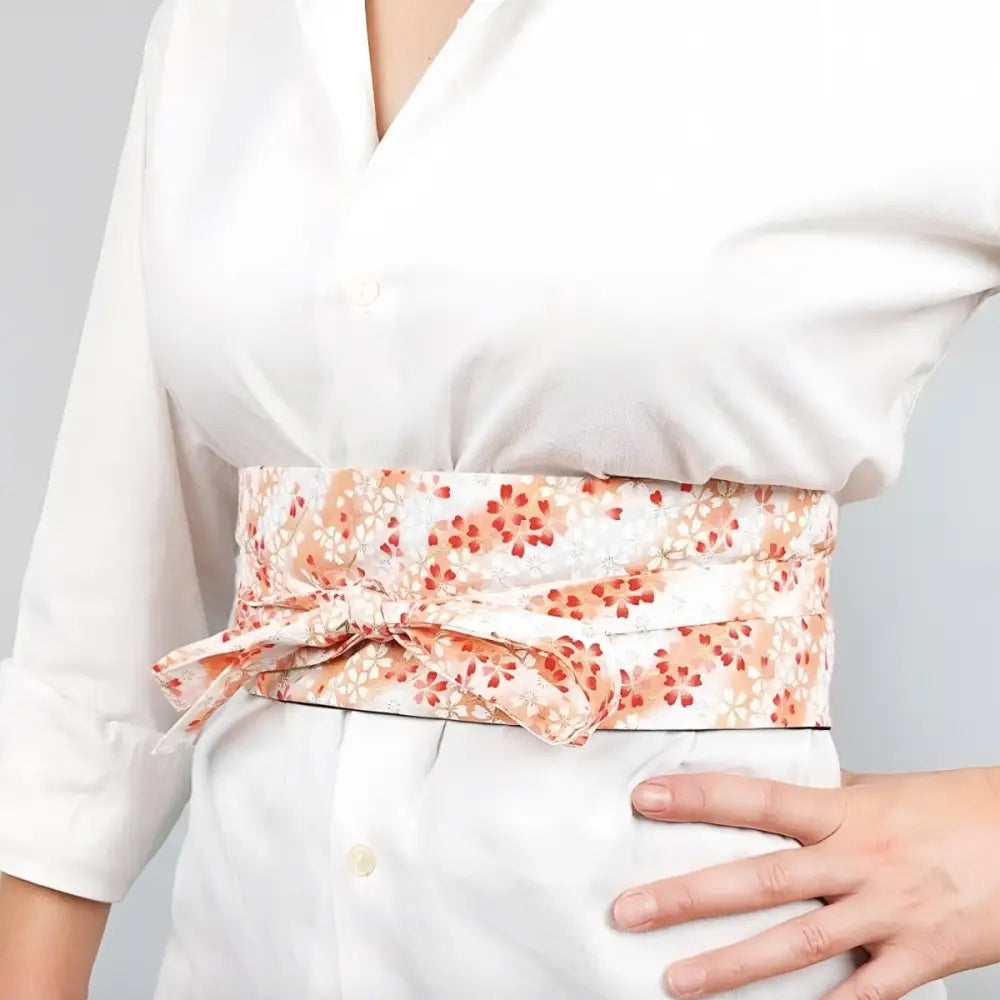
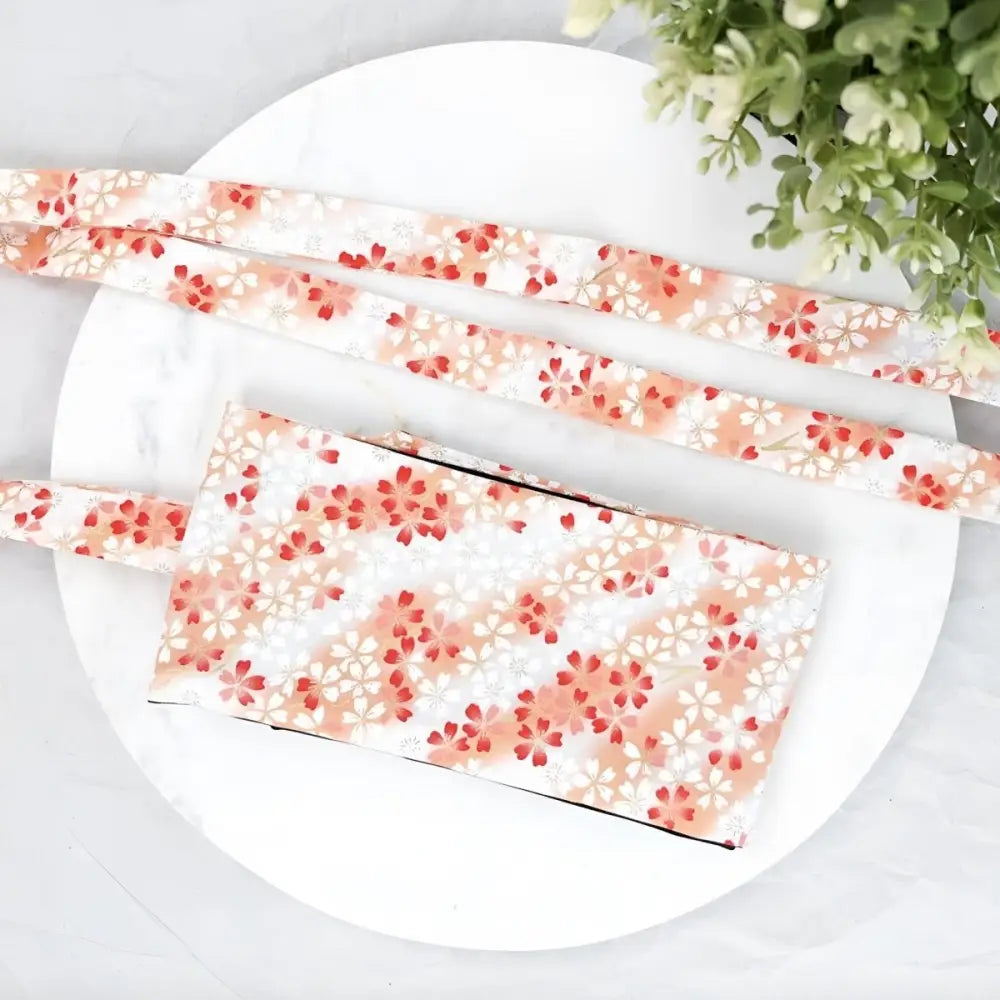
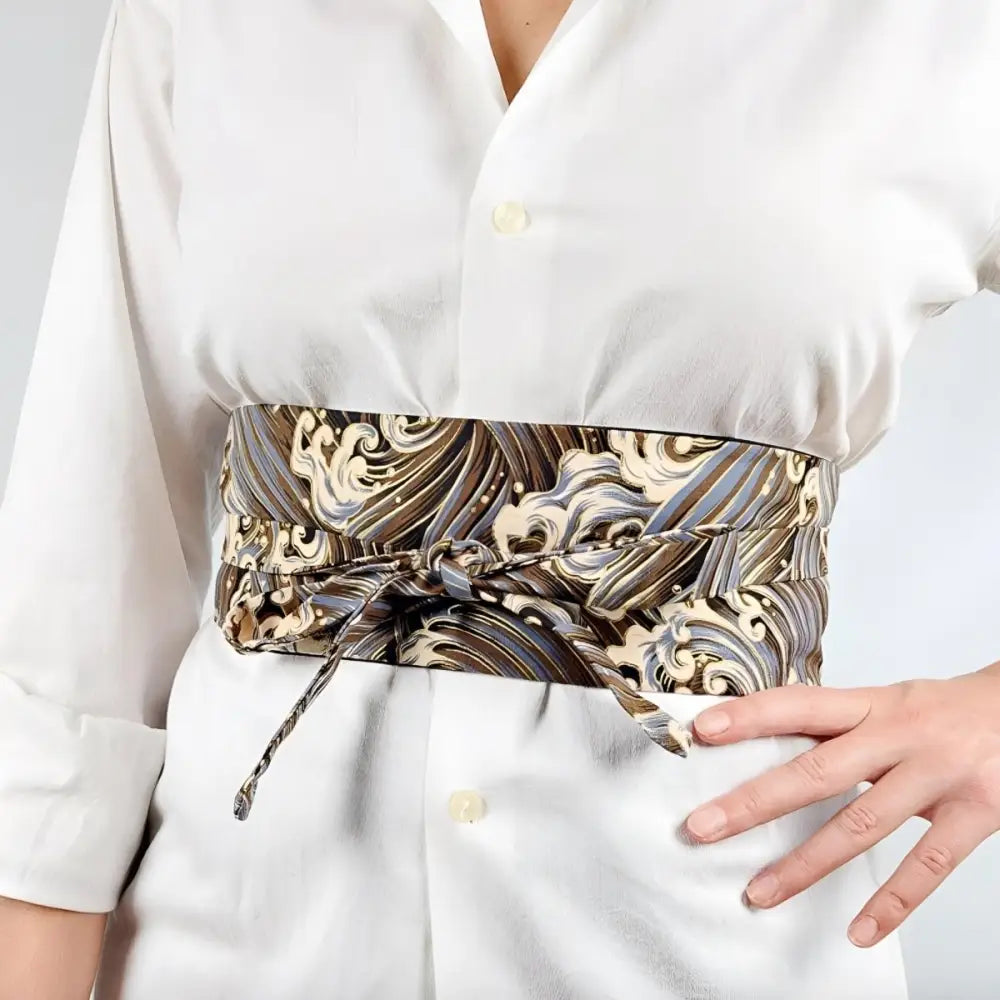
Others like wide wrap corset belt or pretied obi belt options are modified for comfort, flexibility, and convenience, especially when someone wants to wear an obi belt pattern design with a dress or coat during a normal day.
Whether the belt is made from flower silk, cord woven textures, or metal decorative elements, each type brings its own identity and emotional value.
This variety allows every woman to choose the style that best matches her taste, size preference, and personal account of how she wants to feel in her outfit.
Why the obi belt keeps coming back in style is closely tied to the way it transforms the waist band area and creates balance in both traditional and modern clothing.
When you tie an obi or learn how to tie an obi through a simple tutorial, the gesture feels highly intentional, almost like a mindful exercise that centers the body and spirit.
The obi sashflower silk or obi sash/flower silk variations create soft movement, while leather and fabric designs provide structure and definition that enhance a dress or coat with a wide and elegant silhouette.
Many people purchased or bought their first obi belt online from a shop or stores and quickly discovered how adaptable it is across multiple outfits, from casual wear to special events.
This emotional connection explains why the obi belt is not just purchased as an accessory but is often considered a meaningful piece with lasting significance.
The main types of obi belts you will come across
Traditional kimono obi belt styles include several types that have been developed through history, each with a unique purpose, shape, and level of formality.
The nagoya obi and fukuro obi sash are commonly used for semi formal situations, while maru obi is typically associated with high status or important ceremony wear.
Many of these belts follow the taiko musubi tying method, where the left end is tucked, the shorter section is pulled through a loop, and the double fold creates a structured knot that stays secure throughout the occasion.
These forms are not only beautiful but also functional, as the belt for women or men provides stability to the kimono silhouette while enhancing elegance.
When someone chooses a vintage japanese kimono ivory or ivory fukuro obi piece, they are also connecting with a story that represents continuity between past and present culture.
Modern leather and fashion oriented obi belts expand the category into new styling possibilities while maintaining the spirit of the obi waist tradition.
Wide wrap designs, tie belt silhouettes, and corset belt inspired pieces help shape the body in a way that feels both contemporary and expressive.
These belts often appear in black, white, red, or ivory tones, and may include soft cord details or subtle metal accents that add character without overwhelming the outfit. Some models follow a global recycled standard approach to material sourcing, which appeals to people who value sustainability in the accessories they buy.
A regular price may vary depending on type, quality, and material depth, but the emotional and aesthetic value remains central to why so many women enjoy these belts.
Modern pieces like those from Fabelt, the reference of the belt for women and fashion belts online, show how tradition can be thoughtfully adapted to new lifestyles.
Martial, cultural, and formal obi sash categories also remain important because they highlight the symbolic and practical function of the obi within traditional contexts.
In some regions and local communities, the obi sash is still considered part of cultural identity, marking social belonging or occasion appropriate style.
Many garments include an obi waist band or band style element that helps maintain posture and presence, especially during movement or exercise related performances tied to ritual arts.
Even when someone chooses a pretied obi belt for convenience, the shape still reflects the original knot structure and the meaning behind it.
These categories remind us that while the obi can be modified for modern fashion, its core values and significance continue to influence how the belt is designed, worn, and understood across cultures and generations.
How to choose the right obi belt for your style and body shape ?
Picking the right size and width for your obi belt plays a major role in how it complements your body shape and outfit.
A wide belt creates visual structure around the waist and works beautifully when worn with a dress or kimono robe yukata style clothing, while a narrower band offers a more subtle and refined effect for everyday wear.
Some women prefer a wide wrap design that feels supportive during the day, while others choose a lighter waist band option for mobility, especially when planning to exercise or move actively.
Thinking about price, style preferences, and the occasion you plan to wear it for helps guide your selection in a meaningful way. By learning to match type, color, and feature, you can build a collection of belts that express your personal identity with confidence.
Choosing between soft wrap styles and structured corset belt inspired belts depends on how you want your clothing to feel and function.
Soft wrap belts typically adapt to the body and allow natural movement, making them ideal for casual day outfits or light layers, while more structured designs create a strong sculpted effect that feels elegant, formal, and refined.
Some belts are modified with elastic or flexible materials to enhance comfort, while others maintain traditional stiffness to preserve shape. Belts in black, red, white, or ivory shades can completely change the visual impact of a look, especially when paired with accessories for kimono or modern wardrobe pieces.
Taking the time to learn how each type supports your style helps you create combinations that feel authentic and empowering.
The choice of material is highly influential in how an obi belt expresses mood and identity. Leather, silk, cotton, and recycled textiles each create a different texture, feel, and usage scenario, from warm seasonal outfits to elegant eveningwear.
A piece like obi sash/flower silk or obi sashflower silk brings a refined softness that pairs beautifully with ceremonial clothing, while more durable materials work well for every day or travel based wear.
When someone buys or decides to buy obi belt products, they often build a collection over time, adding modified versions or unique artisan styles to their wardrobe.
This evolving selection allows them to adapt their look according to day, occasion, and personal mood. In this way, the obi belt becomes more than one accessory, it becomes a living expression of style evolution.
Knowing when to go for a fancy or simple design helps you create balance between originality and subtlety.
Some belts include decorative cord elements, metal rings, or intricate obi belt pattern details that make them feel artistic and expressive, especially when worn for a special occasion or social event.
Other belts follow a minimalist style and are considered ideal for everyday city outfits where comfort and function are just as important as appearance.
When someone has purchased multiple belts or boxes of accessories over time, they begin to understand how each piece serves a different purpose within their wardrobe.
This awareness allows them to choose the right belt for women styles depending on mood, environment, and style intention.
How to tie and wear an obi belt without overthinking it ?
Learning how to tie an obi through a simple tutorial helps turn what may seem complex into a graceful and natural movement.
The process often begins by placing the belt around the waist band, then bringing the longer side across the front while the shorter side remains on the left.
You pull, loop, tuck, and adjust the band to create structure before forming either a taiko musubi style knot or a softer bow shape, depending on the type of obi sash and the occasion.
With practice, these methods become intuitive and feel less like instructions and more like a calm ritual you perform at the beginning of your day. This sense of intention is part of what makes the obi belt feel so meaningful when worn.
Styling an obi waist or wide wrap design with modern outfits opens a world of creative possibilities. When combined with a dress, a kimono robe yukata inspired jacket, or a flowing coat, the belt creates harmony between shape and movement.
Some women choose an original or vintage inspired obi because it connects fashion, culture, and identity through color and material.
Others enjoy a modified tie belt design for casual city wear, allowing them to transition easily from day to evening activities. By experimenting with different types, colors such as black, white, ivory, or red, and lengths, each woman develops her own usage style that feels natural and refined.
Sometimes people feel unsure the first time they try to tie an obi, but small adjustments make the experience easier and more comfortable.
If the belt feels too tight, you can loosen the cord or pull the loop slightly to create a balanced structure that supports the waist without restricting movement.
If the knot appears uneven, adjusting the shorter section or modifying the way you tuck the fabric helps improve the final result.
Learning these methods gives you confidence and control, making the obi worn feel like an extension of your personality rather than just an accessory. Over time, the process becomes second nature, and the belt feels like part of your daily rhythm.
A closer look at popular obi belt styles you will find online
Women who love fashion often explore different obi waist and wide wrap belt options to build a wardrobe that feels expressive and versatile.
Some prefer an obi sash designed for belt for women silhouettes, while others enjoy vintage japanese kimono ivory inspired belts that add a refined historical touch.
Many shoppers use their account on a shop or online stores to track purchased items, keep boxes of accessories organized, and discover new pieces that fit into their personal collection.
Whether the belt is fancy, simple, modified, or highly detailed, each one adds a new form of creativity to the way outfits are styled. The experience of choosing, purchased items, and learning how to wear them becomes part of a personal style journey.
Handmade or premium belts such as those crafted by Fabelt show how quality materials and thoughtful design can elevate an obi belt into a meaningful style piece.
These belts are often considered long term wardrobe investments because their durability, structure, and aesthetics evolve beautifully with time and usage.
A woman who bought or purchased such a belt may find that it becomes her favorite accessory for special occasion looks, day events, and refined social gatherings alike.
The combination of material, feature details, and original craftsmanship helps the belt stand apart as something truly unique. Fabelt continues to be associated with elegance in belt fashion for women who value authenticity and style depth.
Traditional inspired designs such as kimono obi belt, maru obi, nagoya obi, and fukuro obi sash maintain strong ties to cultural heritage while still integrating into modern wardrobes.
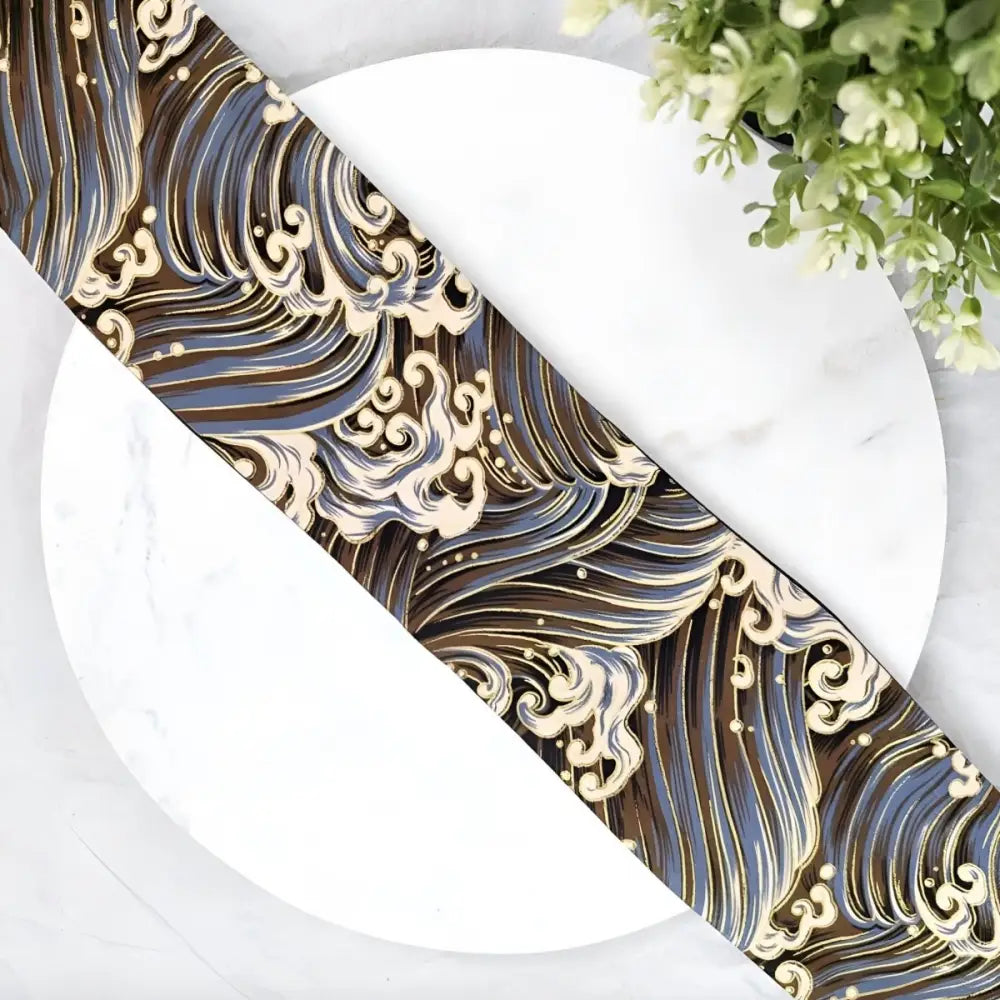
Many people choose an obi belt pattern that reflects both personal taste and symbolic meaning, especially when worn with a kimono robe yukata or vintage garment. These belts may arrive in boxes for storage and protection, preserving their structure and material quality over time.
Whether the belt is purchased locally or from global online stores, it becomes part of a cultural connection that extends beyond fashion.
This blending of memory, identity, and craftsmanship is one of the reasons the obi continues to hold emotional and artistic power today.
Care, maintenance and longevity of an obi belt
Caring for an obi sash, waist belt, or belt for women accessory is essential for maintaining its quality, texture, and long term beauty.
Fabric and silk belts should typically be stored flat or gently rolled to avoid creasing, while leather or structured belts benefit from placement inside protective boxes when not in usage.
Belts in materials such as obi sash/flower silk or obi sashflower silk may require delicate handling to preserve their softness and shine, especially when they are part of a collection of vintage japanese kimono shiny accessories.
Paying attention to how the belt is stored and handled helps ensure that every piece remains wearable for years. Proper storage also maintains the emotional connection that develops when a belt becomes a meaningful personal item.
Cleaning and maintenance methods vary depending on material, type, and construction. Some belts include cord or metal elements that need careful cleaning to avoid damage, while others require gentle surface care rather than immersion.
When a belt has been purchased or bought for a special occasion, protecting its structure becomes even more important, especially if it forms part of a wider collection of accessories for kimono or fashion wear.
Over time, these habits help preserve not only the physical form of the belt but also its symbolic value and significance. Keeping the belt in good condition reflects respect for both craftsmanship and personal expression.
Knowing when to reshape, restore, or replace a belt depends on how it has been used across day to day activities, travel, or event wear.
Some belts may show signs of wear that add character instead of damage, especially vintage styles that tell a story through texture and faded tone. Others may require a modified tie method or adjustment to maintain comfort and visual balance.
When someone decides to buy obi belt pieces again to expand their wardrobe, they do so with greater awareness of what types and features best reflect their evolving identity.
This ongoing relationship between belt, wearer, and meaning continues to grow across time.
The emotional side of the obi belt what this accessory says about identity and confidence
Wearing an obi belt can change how someone feels emotionally and physically in their clothing, creating a deep sense of grounding and presence.
The act of wrapping, tying, and shaping the belt around the waist band transforms dressing into an intentional gesture rather than a routine habit. Many women describe feeling more confident and composed during the day when an obi worn supports and centers their silhouette.
Whether they use a wide wrap style, a modified corset belt, or a traditional fukuro obi sash, each experience reinforces the connection between body, style, and personal narrative.
This emotional layer is part of what makes the obi belt highly meaningful beyond its visual appearance.
The symbolism of wrapping and structure is also closely linked to identity, cultural heritage, and social expression.
In some contexts, the belt is considered a symbol of tradition, creativity, and continuity, especially when connected to kimono obi belt or ceremonial wear.
The methods used to tie an obi, whether taiko musubi or another knot system, become a ritual of care, patience, and awareness.
Every pull, tuck, loop, and adjustment reflects attention to detail, reminding the wearer that style can also express values and intention. This connection between practical function and emotional significance is what allows the obi belt to remain relevant across generations.
Modern reinterpretations of the obi belt allow wearers to express individuality while honoring cultural roots. Some prefer an original artistic belt that feels unique and expressive, while others appreciate a simple wide wrap design for everyday outfits.
Each type of belt shapes not only the silhouette but also the inner experience of the woman who wears it, influencing confidence, posture, and social presence.
The belt becomes more than just an accessory, it becomes part of personal identity, memory, and self narrative. This emotional bond is why many people continue to expand their collection and explore new styles over time.
Buying an obi belt practical tips before you hit add to cart
When you decide to buy obi belt items online, paying attention to size, type, material, and feature details helps you choose the right piece for your wardrobe.
Checking regular price, shipping information, and whether the belt includes elements like cord ties or metal accents allows you to understand both function and design intention.
Some belts are purchased for everyday day wear, while others are bought specifically for occasion outfits or cultural usage, so understanding purpose helps guide your decision.
Whether you shop from local stores or international platforms, developing awareness about types and construction will help you build a thoughtful and meaningful collection. Over time, each belt you purchased becomes part of your personal style story.
Key details such as width, length, and knot style are highly influential in how a belt fits and feels once worn.
A wide wrap belt may suit a dress or formal kimono inspired look, while a narrower band may be considered ideal for lightweight clothing or casual environments.
The color palette, whether black, white, ivory, or red, also shapes the emotional tone of the outfit and influences how the belt integrates with accessories for kimono or modern fashion pieces.
By taking time to learn about how belts are constructed and how to tie an obi correctly, you ensure that every purchase supports both comfort and aesthetics. This mindful approach helps transform buying into a process of exploration rather than impulse.
A thoughtful conclusion to the obi belt experience is that every purchase, whether an original vintage piece or a modern modified design, becomes a bridge between heritage, creativity, and personal expression.
The belt you purchased, stored in boxes or displayed in your wardrobe, continues to carry meaning long after the day you bought it.
When you return to wear it again, its significance evolves with your life, your style, and your identity.
In this way, the obi belt stands not only as a cultural symbol but also as a living companion in personal fashion journeys, connecting tradition, individuality, and emotional depth in every loop, tuck, and tie.